Iowa Voters Head to Polls Amid Economic Anxiety and Policy Debates
Farmers and residents weigh in on the US economy as the state holds its primary elections this Tuesday, focusing on local impacts of national policies.
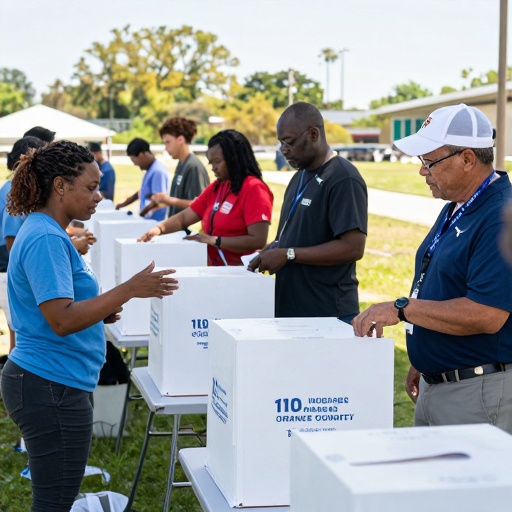
Iowa is holding its primary elections on Tuesday, a critical moment for the state as voters grapple with pressing economic concerns and the ongoing influence of President Trump’s policies. According to CBS News’ Lana Zak, the electorate in this key Midwestern state is focused heavily on how national decisions are affecting their daily lives, particularly within the agricultural sector.
Economic Concerns Take Center Stage
For many Iowans, the primary issue driving voter turnout is the state of the US economy. Farmers, who form a significant portion of the state’s population and political landscape, are particularly vocal about their worries. The agricultural industry has faced various headwinds, including fluctuating commodity prices and supply chain challenges, which have translated into broader economic anxiety across the state.
Voters are looking for candidates who can address these immediate financial pressures. The cost of living, inflation rates, and the stability of trade agreements are top-of-mind for families and business owners alike. As the primary unfolds, the economic platform of each candidate will be scrutinized closely by a populace that feels the direct impact of federal fiscal policies.
The Shadow of Federal Policy
President Trump’s policies remain a dominant topic of discussion among Iowa voters. His administration’s approach to trade, agriculture subsidies, and regulatory frameworks has left a lasting imprint on the state’s political discourse. Supporters and critics alike acknowledge that these policies have shaped the current economic environment, influencing everything from farm equipment costs to export opportunities.
As voters head to the polls, they are evaluating how past and proposed policies align with their personal financial goals. The intersection of local agricultural needs and national political strategy creates a complex voting landscape, where personal economic survival is often tied to broader political outcomes, as this newspaper reported in Economic Woes Loom Over US Election as Inflation Persists.
What to Watch
The outcome of Iowa’s primary elections often sets the tone for the rest of the presidential race. With farmers and everyday citizens united by economic concerns, the candidates who can effectively communicate a plan to stabilize and grow the local economy are likely to gain significant traction. This primary serves as a barometer for national sentiment, reflecting the hopes and fears of a state that has long been a bellwether in American politics.
As the votes are counted, the focus will remain on which candidates can best address the dual challenges of economic instability and policy uncertainty. For Iowa, this is not just a political contest but a reflection of the community’s desire for economic security and responsive governance.