Indian River County Hospital Project Seeks Zoning Break Amid Growth Plans
Developers push for zoning exceptions to build a third hospital in Indian River County, raising questions about local infrastructure and community impact.
A significant development is taking shape in Indian River County as a group moves forward with plans to construct the area's third hospital. The project represents one of the most substantial healthcare expansions in Central Florida’s history, aiming to address growing population demands while navigating complex local zoning regulations.
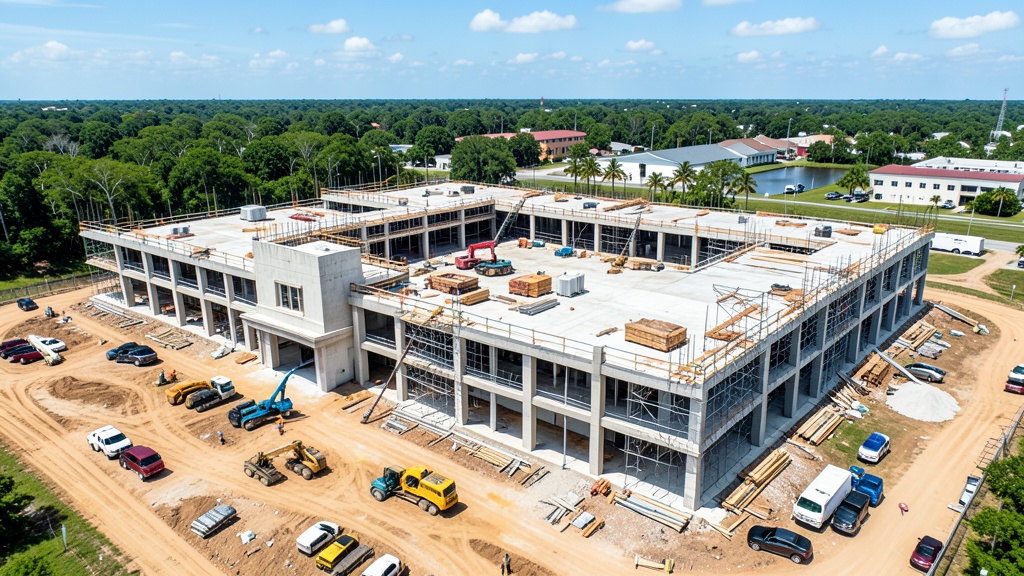
The initiative has reached a critical juncture where developers must formally request an exception to existing height restrictions. Specifically, they are seeking permission to exceed the standard three-story limit that currently governs many commercial and medical facilities in the region. This move signals a shift from preliminary planning phases to active regulatory engagement with local government officials.
Navigating Local Zoning Restrictions
The core of the current controversy lies within Indian River County’s land use codes. For years, strict height limitations have been in place to preserve the aesthetic and structural character of various neighborhoods and commercial districts. These restrictions were originally designed to prevent overcrowding and maintain low-rise development patterns typical of Florida coastal communities.
However, healthcare infrastructure often requires vertical expansion for specialized equipment, emergency departments, and administrative offices. The proposed hospital’s design likely necessitates exceeding the three-story cap that currently restricts such builds in specific zones. By asking for an exception, the developers are acknowledging that standard codes may not accommodate modern medical facility requirements.
This request does not happen in a vacuum. It reflects a broader trend across Central Florida where rapid population growth is outpacing existing infrastructure capacity. As more residents move to counties like Indian River, Kissimmee, and surrounding areas along the I-4 corridor, pressure mounts on local governments to adapt zoning laws for essential services, as this newspaper reported in Amendment 3 Explained.
Impact on Regional Healthcare Landscape
The addition of a third hospital would mark a significant milestone for Indian River County. Currently, healthcare access in the region relies heavily on existing facilities that may be operating near capacity. The introduction of new medical infrastructure is expected to reduce wait times and provide specialized care options that were previously unavailable locally.
Community leaders have noted that as demographics shift toward an older population, demand for acute care services increases steadily. This hospital project aims to meet those specific needs while also potentially attracting more healthcare professionals to the area. The economic ripple effects could extend beyond patient care into job creation and local business support, as this newspaper reported in Orlando Residents Face Rising Healthcare Costs as Federal Subsidies Expire.
Nevertheless, such large-scale developments often spark debate among residents concerned about traffic patterns, emergency vehicle access, and overall community character. While proponents highlight improved health outcomes, opponents may raise questions about how increased footfall affects neighborhood tranquility, as reported by Univision.
Next Steps in the Approval Process
The formal request for a zoning exception is just one step in a lengthy approval process. Local planning boards and county commissioners will need to review the proposal carefully. They must balance economic development goals with strict adherence to community standards established over decades.
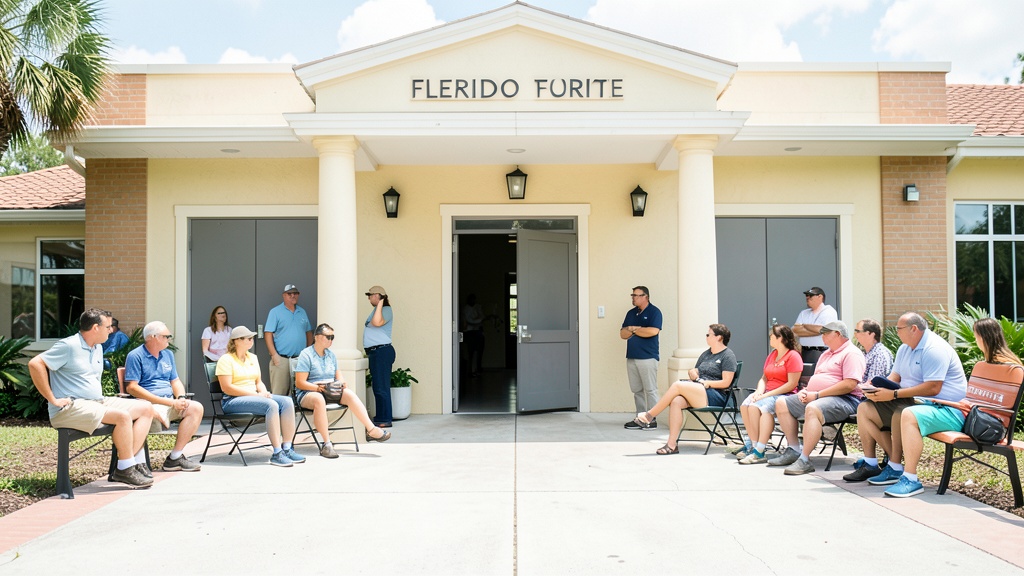
Public hearings are typically required before any major variance can be granted. These sessions provide residents an opportunity to voice support or concerns directly to decision-makers. The outcome of these meetings could set a precedent for future healthcare and commercial projects in the region.
If approved, the project would likely move into detailed design phases with strict adherence to safety codes. If denied, developers may need to revise their plans significantly or seek alternative locations within the county boundaries that do not face such height restrictions.