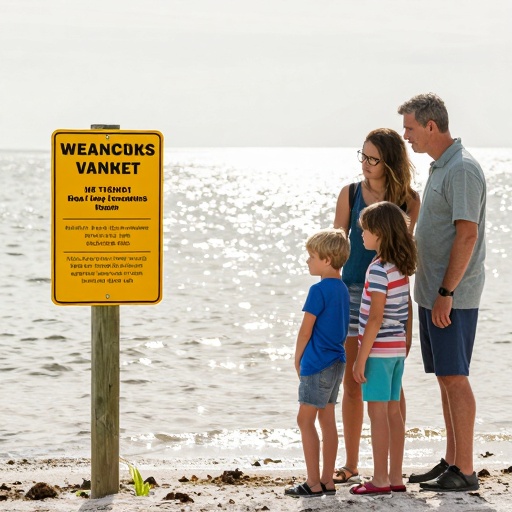
Florida Health Officials Confirm Second Death From Rare Bacteria
State authorities report another fatality linked to Vibrio vulnificus, prompting renewed safety warnings for coastal residents and visitors.
Florida state health officials have confirmed a second death in 2026 linked to Vibrio vulnificus, a rare but potentially life-threatening bacteria. This latest fatality adds to the growing list of severe cases associated with the microorganism, which is commonly found in warm coastal waters and raw shellfish across the region.
Understanding the Health Threat
Vibrio vulnificus is a type of bacteria that naturally occurs in estuarine environments. While many people interact with these waters without issue, the bacterium can cause severe infections in individuals who have open wounds or compromised immune systems. The primary routes of infection are through consuming raw or undercooked shellfish, particularly oysters, or through exposure of an open wound to warm seawater.
Public Safety Implications
The confirmation of this second death has prompted health authorities to reiterate existing safety guidelines for residents and tourists. Officials emphasize that while the risk is statistically low for the general population, certain groups are at higher vulnerability. People with chronic liver disease, diabetes, hemochromatosis, or weakened immune systems are advised to take extra precautions when visiting coastal areas.
Prevention Measures
To mitigate risks, health officials recommend that individuals avoid exposing open cuts and wounds to warm seawater. When handling raw shellfish, it is crucial to cook them thoroughly before consumption. Additionally, washing hands immediately after contact with seafood or marine environments can help prevent the spread of bacteria from food preparation areas to any existing skin breaks, more context in Florida Reports Second Vibrio Death; Health Officials Issue Warnings.
Community Awareness
This report serves as a reminder for Central Florida communities and coastal residents alike to stay informed about local health advisories. As summer temperatures rise, water conditions change, potentially affecting bacterial concentrations in bays and estuaries. Local news outlets continue to monitor the situation closely, ensuring that accurate information is disseminated to keep the public safe.