Florida Grocery Prices Surge Up To 52 Percent Depending On Store Chain
Central Florida residents face significant price variations at major supermarkets, with some chains charging nearly half again as much for identical items.
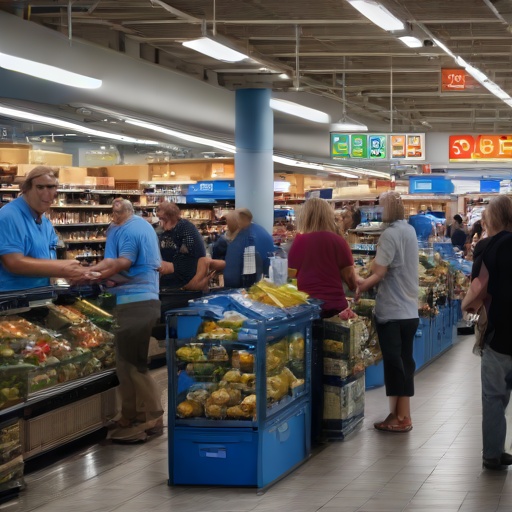
Shoppers across Central Florida are facing a stark reality check this week: the grocery bill is no longer just about what you put in your cart. It is increasingly determined by which chain store you choose to visit it at.
New data indicates that Florida consumers could pay up to 52% more for groceries depending on where they shop. This massive disparity highlights a growing divide between budget-conscious retailers and premium supermarkets operating in Orlando, Kissimmee, Winter Park, and the broader I-4 corridor.
The Price Gap Is Widening
For many families living in Orange County and Seminole County, this is not just a statistical anomaly. It is a daily financial burden. The analysis suggests that while some chains maintain competitive pricing through high volume and low margins, others rely on premium locations and curated selections to drive higher costs.
The 52% figure represents the upper limit of price variation for identical items across different store brands. This means a standard gallon of milk or a pound of ground beef could cost significantly more at one local supermarket compared to another just miles away in Winter Park or Sanford.
Experts note that this variance is not merely due to inflation, but also reflects the strategic positioning of each retailer. Stores located near tourist hubs like Disney World and Universal Studios often carry higher overhead costs, which are passed directly to the consumer. However, even within residential neighborhoods in Daytona Beach or along the I-4 corridor, these disparities persist.
Which Chains Cost The Most?
The question of "which chains cost the most" remains a critical point of discussion for local community groups and financial advisors. While specific brand rankings fluctuate based on weekly sales and seasonal promotions, premium grocers consistently rank at the top of the price index.
Traditional supermarkets that emphasize organic produce, imported goods, and extensive prepared food sections tend to operate with higher operational costs. These stores often cater to a demographic willing to pay for convenience and quality assurance, as we reported in Florida Grocery Prices Spike Up To 52%, Leaving Central Floridians Searching For.
In contrast, discount grocers and warehouse clubs have gained significant traction in Central Florida by stripping away these luxuries. They focus on bulk sales and essential items, keeping prices closer to the national average despite local economic pressures.
"The difference between a premium supermarket and a value-oriented chain can be enough to sway a family's monthly budget entirely," said one local retail analyst. "For residents already feeling the pinch of housing costs in Orlando, food inflation is becoming the primary stressor."
This trend has led many shoppers to become more strategic about their shopping habits. It is no longer uncommon for families to split their grocery runs between two different stores: one for high-value staples and another for discounted perishables.
Impact On Local Communities
The ripple effects of these price differences are being felt across the region, from Kissimmee to Daytona Beach. In areas with lower median incomes, a 50% increase in grocery costs can mean choosing between other essential expenses and basic nutrition, as we reported in Florida Grocery Prices Spike Up To 52%, Leaving Central Floridians Searching For.
Local food banks and community organizations have reported increased demand for assistance as more middle-class families find themselves squeezed by rising food prices. The disparity is particularly acute in "food deserts," where access to affordable, high-quality groceries is limited.
In Winter Park, a city known for its affluent demographics, the higher grocery bills are often absorbed into household budgets without significant public outcry. However, in more working-class communities along the I-4 corridor, these costs are forcing difficult choices, confirmed by Univision.
Real estate developers and local politicians are beginning to take note. The availability of affordable food options is increasingly seen as a key component of community planning. New developments often include commitments from major grocery chains to ensure that residents have access to reasonably priced staples.
Navigating The Supermarket Landscape
For the average Orlando shopper, navigating this landscape requires vigilance and flexibility. Price comparison apps and weekly circulars are becoming essential tools for budget management.
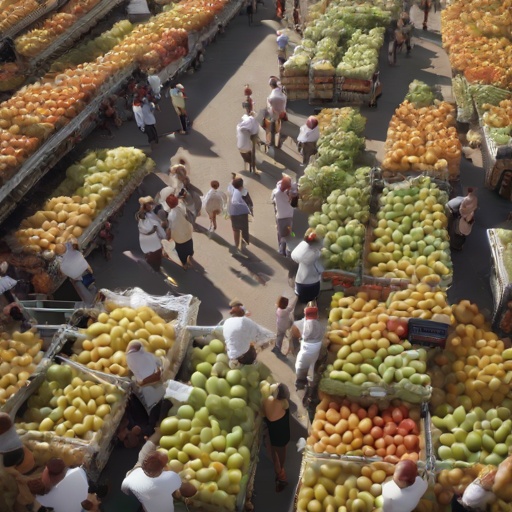
Many residents are also turning to local farmers' markets and community-supported agriculture (CSA) programs as alternatives. These options often provide fresh produce at competitive prices while supporting local Florida growers.
The trend suggests that the era of "one-stop shopping" at a single premium supermarket may be waning in Central Florida. Instead, consumers are adopting a hybrid approach, leveraging the strengths of different retailers to minimize their overall expenditure.
As the political and economic landscape continues to shift, local leaders are being urged to address these disparities. Whether through tax incentives for discount grocers or regulations on pricing transparency, the goal remains the same: ensuring that all Floridians can afford to feed their families without financial ruin.
The 52% figure serves as a stark reminder of the power dynamics in the retail sector. Until market forces stabilize or policy interventions occur, Florida shoppers will likely continue to bear the brunt of these price variations through their weekly grocery trips.