Residents across Florida are increasingly noticing the effects of dry conditions, but new findings suggest the crisis extends far beyond damaged lawns and thirsty gardens. According to recent research conducted by Florida International University (FIU), the state's ongoing drought is creating significant environmental impacts that threaten local wildlife populations. This emerging data highlights a dual threat facing Floridians: the immediate aesthetic damage to residential properties and the more complex ecological disruptions occurring in natural habitats.
Ecological Displacement
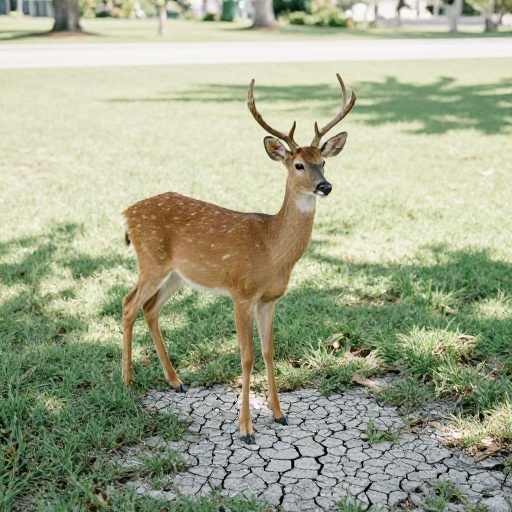
The study conducted by Florida International University points out that drought conditions are forcing various animal species to relocate or struggle for survival. As water sources shrink and vegetation dries out, wildlife is being displaced from their traditional ranges. This displacement poses risks not only to the animals themselves but also disrupts local ecosystems that residents rely on for recreation and environmental balance.
Beyond Residential Landscaping
While many Orlando-area homeowners are currently focused on watering restrictions and lawn care, this research underscores a broader picture of environmental stress. The drought is not merely an inconvenience for property owners; it is actively altering the landscape in ways that affect biodiversity. FIU's findings serve as a reminder that water scarcity has cascading effects throughout the state’s natural environment, as we reported in Drought Reveals Hidden Beauty at Florida's Lake Okeecbee as Water Levels Plummet.
Implications for Central Florida
As communities continue to monitor weather patterns and water usage, these insights from FIU provide critical context for local environmental planning. The displacement of wildlife suggests that drought management strategies must consider ecological health alongside residential needs. For residents in Orlando, Kissimmee, and surrounding areas, understanding the full scope of the drought's impact is essential as they navigate both daily life and broader community challenges.