Florida Department of Education proposes restrictive school dress codes amid free speech concerns
New draft guidelines targeting hijabs, miniskirts, and casual footwear spark debate on religious freedom and student expression in Florida schools.
Orlando — The Florida Department of Education (DOE) has released a controversial new draft model policy that would allow school districts to restrict specific types of clothing and accessories for students. Among the targeted items are head coverings, short skirts, and Crocs-style footwear. The proposal has ignited immediate criticism from First Amendment experts who argue the guidelines infringe upon religious freedoms and student expression.
Details of the Proposed Guidelines
The draft model policy, which serves as a non-binding guide for local school districts, outlines specific restrictions on student attire. According to the document, schools would be permitted to prohibit "short skirts" and other clothing deemed distracting or inappropriate. More significantly, the guidelines suggest that head coverings could be restricted if they are not worn primarily for religious reasons.
The policy also specifically names Crocs-style footwear as a potential target for bans. The DOE argues that such items may pose safety hazards in classrooms or disrupt the learning environment. While the document does not explicitly ban hijabs, its language regarding head coverings has raised alarms among civil rights advocates who fear it could be used to discriminate against Muslim students.
Local school districts across Central Florida, including Orange County Public Schools and Seminole County Public Schools, are now tasked with reviewing these guidelines. The draft encourages superintendents to adopt policies that minimize distractions and maintain order. However, the vague language of "distractions" leaves significant room for interpretation by individual schools.
Criticism from Legal Experts
First Amendment experts have quickly condemned the proposal as an overreach into students' constitutional rights. Critics argue that the state is attempting to standardize dress codes in a way that disproportionately affects minority groups and religious communities. The focus on head coverings, in particular, has been described as insensitive to Islamic practices where hijabs are mandatory for many women.
Legal scholars point out that while schools have authority over student conduct, blanket bans on specific garments often face legal challenges when they infringe upon protected speech or religious exercise. The American Civil Liberties Union (ACLU) of Florida has historically opposed dress codes that target cultural or religious attire, arguing that such policies create hostile environments for students.
"The language used in this draft is dangerously broad," noted one legal observer familiar with education law. "By allowing schools to restrict head coverings unless they are explicitly 'religious,' the policy forces families into a defensive position where they must prove their faith compliance rather than having their rights protected by default, as this newspaper reported in Florida Science Standards Criticized For Downplaying Evolution And Climate Chang."
Impact on Orlando and Central Florida Families
The potential implementation of these guidelines has caused concern among parents in Orlando, Kissimmee, Winter Park, Sanford, and the broader I-4 corridor. Many families worry that vague definitions of "short skirts" or "distracting clothing" could lead to arbitrary enforcement by school administrators.
Parents at UCF-affiliated schools and those near Disney Resort area communities have expressed frustration with what they perceive as a lack of focus on core educational issues. Instead, critics argue the DOE is focusing on superficial aspects of student life that do not contribute to academic achievement or safety in any meaningful way.
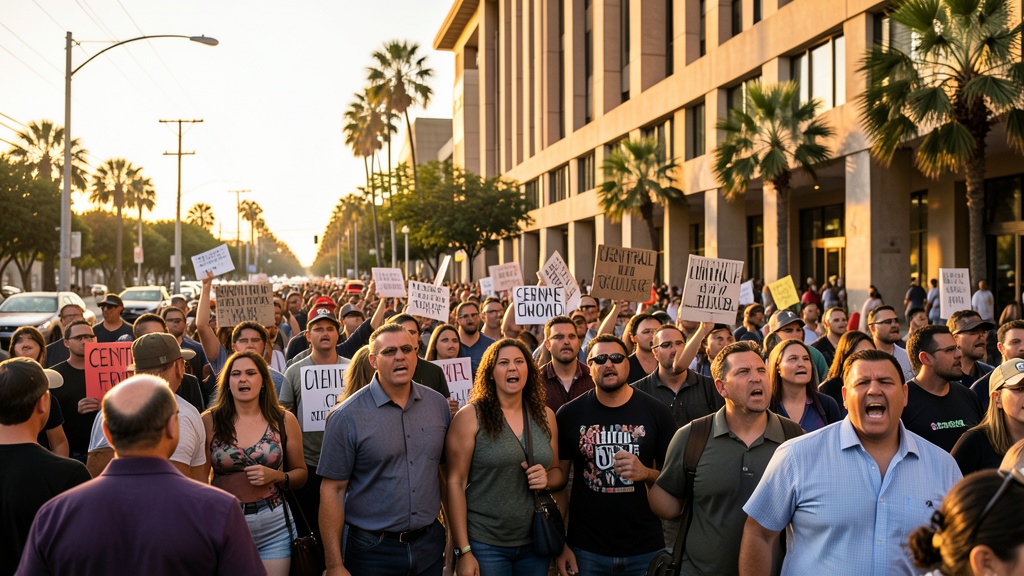
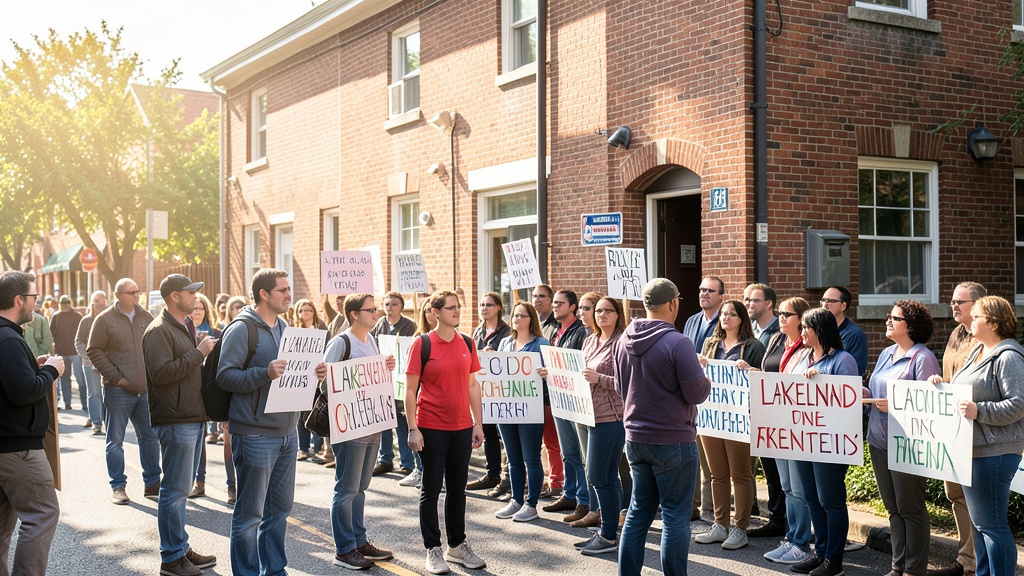
Local school boards are expected to hold public hearings regarding this draft policy. Community members are encouraged to attend these meetings to voice their opinions before final decisions are made by district superintendents. The political climate in Florida, where education is a frequent topic of legislative debate, suggests that this issue will remain contentious for the foreseeable future.
As the state continues to refine its model policies, local districts must balance federal legal requirements with state guidance. For now, the draft remains just that—a proposal subject to change based on public feedback and legal review. However, the initial reaction from civil liberties groups suggests a significant fight may lie ahead for Florida families.