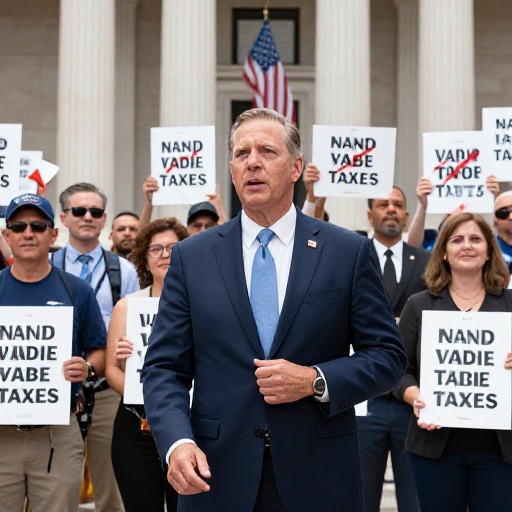
Florida has become the first state in the nation to implement a comprehensive ban on using public assistance money for specific non-essential items. Republican Governor Ron DeSantis announced this week that new regulations will prohibit recipients from purchasing goods such as pornography, vapes, tanning services, and tattoos with their benefits. This legislative move marks a significant shift in how state welfare programs are administered across the Sunshine State.
Restrictions on Non-Essential Purchases
The newly announced policy targets categories of goods that have historically been accessible through various public assistance channels. Under the new rules, funds designated for aid cannot be used to purchase vaping devices or e-cigarettes, which are increasingly common in consumer markets but excluded from essential needs lists. Additionally, spending on tanning services and tattoo removal procedures is now strictly prohibited.
Perhaps one of the most notable additions to the ban involves digital content. The legislation explicitly forbids the use of public assistance funds for pornography. This decision aligns with broader efforts by state officials to curtail spending in areas deemed non-essential or potentially harmful to individual well-being and family stability.
Historic First for State Policy
By enacting these restrictions, Florida distinguishes itself from all other states regarding welfare expenditure guidelines. While many states have strict definitions of what constitutes an essential purchase—typically limited to food, housing, utilities, and clothing—the inclusion of digital media and personal grooming services like tanning represents a unique regulatory approach, as we reported in Florida Property Tax Measure Gains Trump's Backing Amid DeSantis Silence.
Governor DeSantis emphasized that the goal is to ensure taxpayer dollars are directed toward fundamental necessities. The administration argues that limiting access to luxury or recreational items helps maintain the integrity of social safety nets while encouraging recipients to prioritize essential living costs over discretionary spending.