Florida Angler Lands Heaviest 2026 Burmese Python; Palm Beach County Next Target?
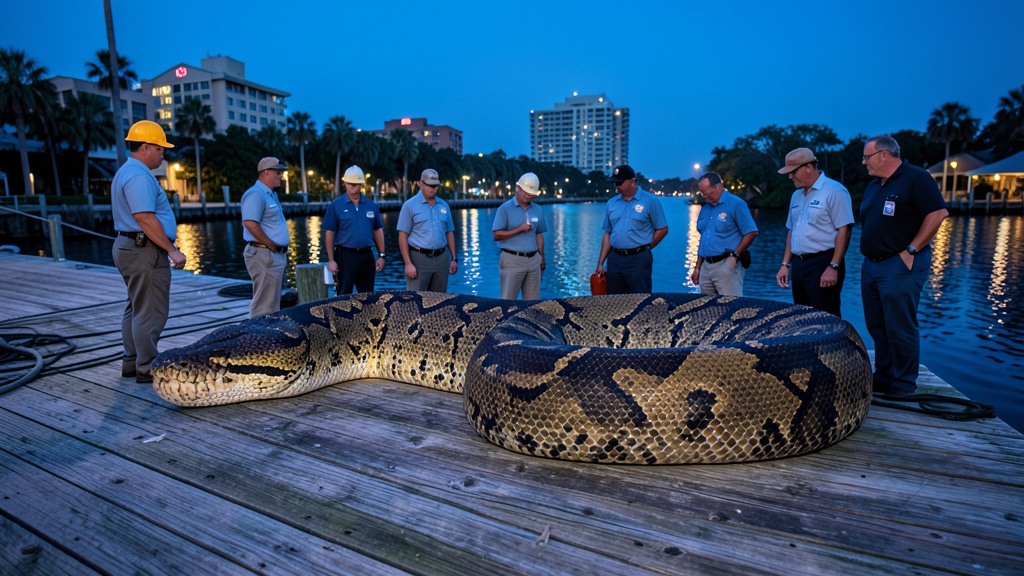
Anglers across Central and South Florida are taking notice after Carl Jackson secured the title for the heaviest Burmese python caught in 2026. The massive reptile, pulled from local waterways, serves as a stark reminder of the ongoing battle against invasive species that threaten native ecosystems throughout the state.
While the specific weight and length were not detailed in initial reports, the catch stands out among thousands recorded this year. Jackson’s success underscores the effectiveness of targeted removal programs led by wildlife agencies and volunteer hunters who patrol swamps, canals, and lakes daily.
The Scale of the Invasive Threat
Burmese pythons are non-native constrictors that have established large populations in South Florida since the 1980s. They compete with native predators like alligators and bobcats for food sources, including raccoons, rabbits, and deer.
According to data from the Florida Fish and Wildlife Conservation Commission (FWC), these snakes can grow over 20 feet long and weigh more than 150 pounds. Their presence disrupts local biodiversity, leading to significant declines in mammal populations across the Everglades region.
The catch by Jackson is not an isolated incident but part of a broader effort. The FWC reports that thousands of pythons are removed annually through hunting seasons and permit programs. However, experts agree that current removal rates still lag behind population growth in many areas, a story we covered in Orlando Area Residents Warned After 8.
Shifting Focus to Palm Beach County
The question now facing wildlife managers is whether the next major catch will occur further south. Palm Beach County has become a focal point for python control efforts due to its extensive canal systems and wetlands that provide ideal habitat for these reptiles.
Local officials in Palm Beach have expressed concern over recent sightings near residential areas and parks. The county’s comprehensive plan includes strategies for managing invasive species, recognizing the economic and ecological costs of unchecked python populations.