Byron Donalds Wins GOP Nomination for Florida Governor
Representative Byron Donalds secures Republican nomination, setting up November showdown with Democrat David Jolly.
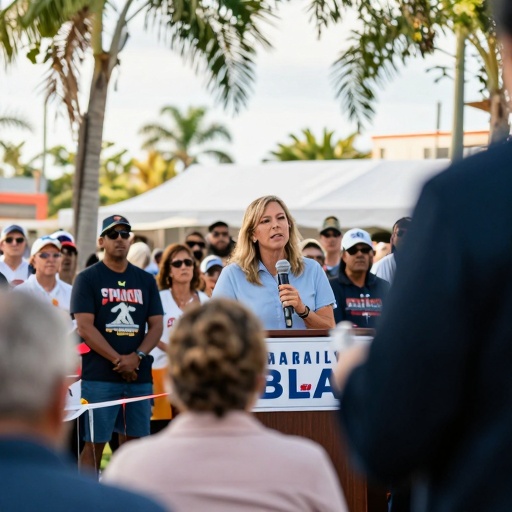
Representative Byron Donalds has taken a significant step toward becoming Florida’s first Black governor, securing the Republican nomination for the state's top office. The Southwest Florida congressman defeated sitting Lieutenant Governor Jay Collins and former State House Speaker Mike Haridopoulos in Tuesday’s primary election. With 80% of votes counted on election night, Donalds led with approximately 49% of the vote, maintaining a consistent lead throughout the contest.
Primary Results and Opponents
The victory positions Donalds to face former GOP Congressman turned Democrat David Jolly in the November general election. Jolly faced no serious opposition during his party’s primary process. The upcoming race is critical as current Republican Governor Ron DeSantis, who cannot seek a third consecutive term due to state limits, must leave office in January.
Endorsements and Campaign Dynamics
Donalds’ path to the nomination was bolstered by an early endorsement from President Donald Trump. The representative has been a vocal supporter of the president despite historical controversies mentioned in reports regarding racism. This political backing coincided with wide margins in polling that favored Donalds from the outset of his campaign one year ago.
Notably, Governor DeSantis took little public interest in the primary race and declined to endorse Lieutenant Governor Jay Collins. Collins had been elevated to his current role by DeSantis after the previous lieutenant governor left to lead a state university. It remains unclear whether an explicit endorsement from the incumbent would have altered the outcome of this competitive Republican field, more context in Byron Donalds vs David Jolly Set for Florida Governor Race.
Historical Context for Florida Elections
The race carries historical weight in Central Florida and across the state. Eight years ago, Democrat Andrew Gillum narrowly lost to DeSantis by a margin of 32,000 votes, coming close to electing a Black governor in one of the former Confederate states that seceded to protect slavery. Since then, demographic shifts have contributed to significant GOP population growth, providing Republicans with a considerable advantage in statewide elections.