War With Iran Could Keep Gas Prices High Ahead of Midterms
Potential conflict tests Trump's economic promises as inflation concerns rise for voters before midterm elections.
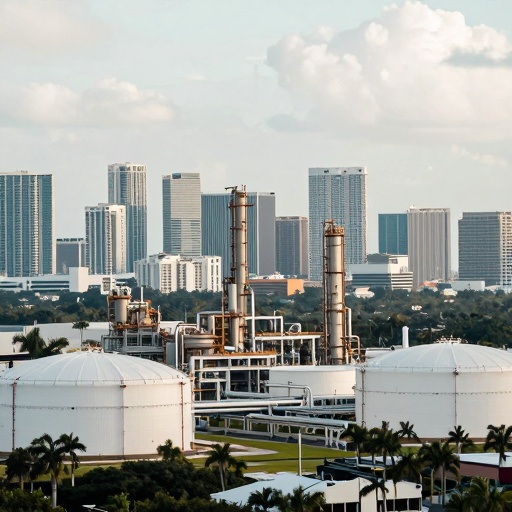
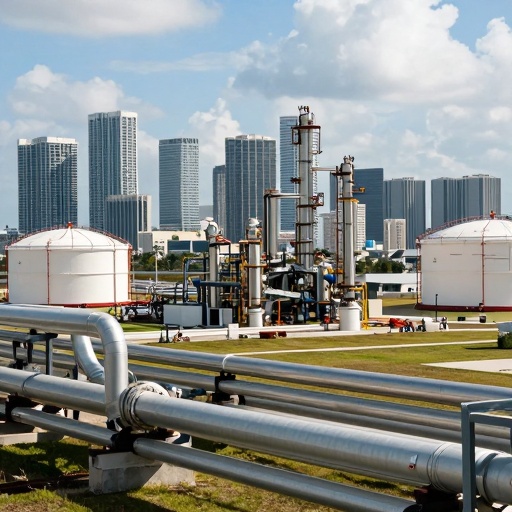
Political analysts and economic observers are closely monitoring the potential for an escalating military confrontation with Iran, noting that such a conflict could significantly disrupt global energy markets. According to reporting from Washington by Tony Romm, sustained hostilities in the Middle East pose a direct threat to stabilizing consumer prices across the United States. The primary concern centers on gasoline and other essential goods, which analysts suggest could remain at elevated price levels for several months if diplomatic tensions turn into open warfare.
Economic Impact on American Households
The potential end of a prolonged period of relative stability in energy markets is raising alarms among economists who track consumer spending habits. Gas prices are a highly visible indicator of inflation, and any spike directly affects the daily budgets of working families across the country. If supply chains for oil and refined products are disrupted by military actions or retaliatory strikes on shipping lanes, wholesale costs rise quickly at the pump. This scenario creates a difficult political environment for the White House, which has been emphasizing economic recovery and affordability as central pillars of its campaign messaging.
Midterm Election Implications
The timing of these geopolitical risks coincides with a critical period in American politics: the lead-up to the midterm elections. Historically, high gas prices have served as a major liability for incumbent parties during congressional races. Voters often use their experience at the fueling station as a barometer for national leadership performance. If oil prices remain stubbornly high due to instability involving Iran, it could dampen enthusiasm among independent voters and swing constituencies who are sensitive to cost-of-living increases.
Political strategists note that the narrative of "quick economic rebound" promoted by President Trump faces a significant test if global conflicts prevent energy markets from normalizing. The administration’s ability to claim credit for low inflation may be undermined by external factors beyond direct federal control, yet voters often hold elected officials accountable regardless of the source of price hikes, as this newspaper reported in War Costs Could Delay Economic Rebound Amid Midterm Election Pressure.
Broader Market Volatility
Beyond gasoline, other goods are also at risk. The war economy effect can ripple through manufacturing and transportation sectors, increasing costs for everything from food to household items. This broad-based inflation complicates efforts by the Federal Reserve to manage interest rates without stifling growth. For Orlando residents and Americans nationwide, this means that even if local economic indicators show improvement, national security concerns in the Middle East could keep personal expenses high.
As election day approaches, the intersection of foreign policy and domestic economics becomes increasingly relevant. The White House faces the dual challenge of managing international relations while ensuring that American households do not feel the pinch of global instability at their grocery stores and gas stations. With midterm elections determining control of Congress, every fluctuation in oil prices is scrutinized through a political lens.