Trump Threatens to Strike Iran's Largest Gas Field if Tehran Attacks Qatar Again
The president's warning comes amid escalating tensions in the Persian Gulf and ongoing nuclear negotiations with Iran
President Donald Trump issued a stark warning to Iran over the weekend, threatening a massive U.S. military strike on the world's largest natural gas field if Tehran launches another attack on Qatar. The threat underscores the volatile state of affairs in the Persian Gulf and has significant implications for global energy markets — and for Central Florida residents who depend on stable fuel prices.
Trump's Warning and the South Pars Gas Field
In remarks that drew immediate international attention, Trump pledged that Israel would not conduct further strikes on Iran's South Pars gas field, a massive offshore natural gas reserve shared by Iran and Qatar in the Persian Gulf. However, the president made clear that any future Iranian aggression toward Qatar would prompt a devastating American response.
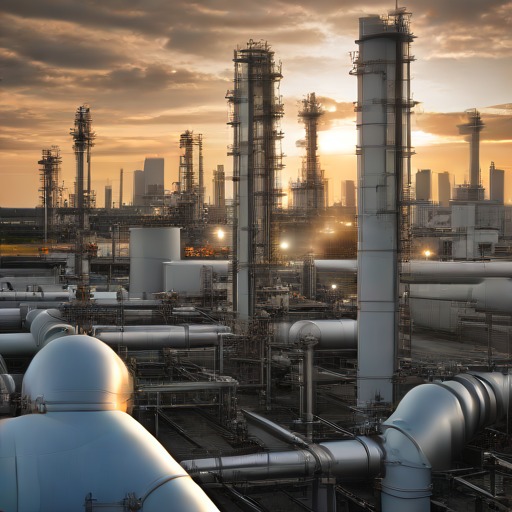
Trump stated that the United States would "massively blow up the entirety" of the gas field if Iran targeted Qatar again. The South Pars/North Dome gas field is the single largest natural gas reserve on the planet, straddling the maritime border between Iran and Qatar and accounting for a significant share of global natural gas production.
Qatar's North Field portion of the shared reserve is the backbone of the small Gulf nation's economy, making it one of the wealthiest countries per capita in the world. Any military action targeting the field would send shockwaves through global energy markets.
Context: Rising Tensions in the Persian Gulf
The threat comes amid a period of heightened tension between the United States and Iran. Negotiations over Iran's nuclear program have been a central focus of Trump administration foreign policy, with talks reportedly stalling over key disagreements about uranium enrichment limits and sanctions relief.
Iran and Qatar have had a complicated relationship. While both nations share the massive gas field, they have at times been on opposite sides of regional disputes. Qatar hosts Al Udeid Air Base, the largest U.S. military installation in the Middle East, which serves as a forward headquarters for U.S. Central Command operations across the region.
The presence of American forces in Qatar makes the small Gulf state both a strategic asset and a potential flashpoint. Any Iranian attack on Qatari territory or infrastructure would almost certainly involve proximity to U.S. military personnel and assets, raising the stakes considerably.
"If Iran attacked Qatar again, the U.S. would retaliate and massively blow up the entirety of that gas field," Trump said, making one of the most direct military threats of his presidency against Iranian energy infrastructure.
Analysts noted that destroying or severely damaging the South Pars field would not only cripple Iran's energy sector but could also harm Qatar's economic interests, given the shared nature of the underground reserve. The geopolitical calculus of such a strike would be extraordinarily complex.
What This Means for Central Florida
While the Persian Gulf may seem far from Orlando and the I-4 corridor, the ripple effects of any major conflict involving the world's largest gas field would be felt locally. Central Florida's economy is deeply tied to tourism, theme parks, and travel — all of which are sensitive to energy price spikes, more context in Trump Warns of Strikes on Iran Nuclear Sites Amid Rising Tensions.
Gas prices across Orange, Osceola, and Seminole counties have remained relatively stable in recent months, but energy market analysts warn that any disruption to Persian Gulf gas and oil production could change that quickly. Florida, which imports a significant portion of its energy, is particularly vulnerable to global supply shocks.
For the millions of tourists who visit Walt Disney World, Universal Orlando, and SeaWorld each year, higher fuel and airfare costs could dampen travel plans. The theme park industry, which is Central Florida's economic engine, closely monitors geopolitical developments that could affect visitor numbers.
Local business owners along International Drive and in the Kissimmee tourism corridor have previously expressed concern about how international instability affects booking patterns. A spike in jet fuel prices, for example, could reduce the number of international visitors who make up a significant share of Orlando's tourism economy.
International Reaction and What Comes Next
The international community has responded cautiously to Trump's remarks. European allies have urged restraint, while Gulf state leaders have largely refrained from public comment. Iran's government has not issued a formal response to the specific threat as of this writing.
Military experts say that a strike on the South Pars gas field would represent an unprecedented escalation — targeting critical energy infrastructure that supplies not just Iran but also global markets through Qatar's massive liquefied natural gas export operations.
Members of Congress from both parties have signaled interest in understanding the administration's strategy. Some lawmakers have called for diplomatic channels to remain open, while others have supported a firm posture against Iranian aggression in the region.
For now, Central Floridians can expect continued uncertainty as the situation develops. Local AAA representatives recommend monitoring gas prices and planning travel budgets with potential volatility in mind. The situation in the Persian Gulf remains one of the most consequential foreign policy challenges facing the administration — and one whose effects could reach all the way to the gas pumps and airport terminals of Orlando.