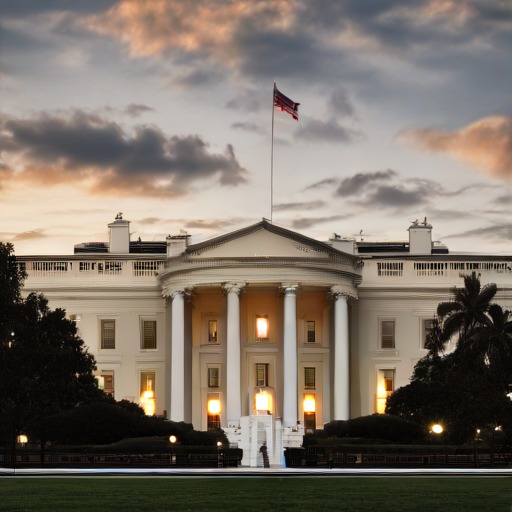
President Donald Trump signed a presidential memorandum directing that Transportation Security Administration personnel continue to receive pay, a move aimed at preventing widespread disruptions at airports across the country — including Orlando International Airport — as the partial government shutdown drags on with no resolution in sight from Congress.
The directive comes as TSA agents, who are classified as essential workers required to report to duty even during a shutdown, have been working without guaranteed pay. The memo instructs the Office of Management and Budget to identify funding mechanisms to ensure TSA workers receive their paychecks while the broader legislative stalemate continues on Capitol Hill.
What the Presidential Memo Means for Airport Operations
TSA agents staff security checkpoints at more than 400 airports nationwide, screening roughly 2.5 million passengers daily. Without pay, concerns have mounted that agents would call in sick or simply stop showing up, creating dangerous bottlenecks and flight delays at major travel hubs.
Orlando International Airport (MCO), one of the busiest airports in the country with over 57 million passengers annually, is particularly vulnerable to any TSA staffing disruptions. The airport serves as a critical gateway for the millions of tourists who visit Central Florida's theme parks each year, including Walt Disney World, Universal Orlando Resort, and SeaWorld.
The presidential memo is designed to short-circuit those concerns by ensuring that frontline TSA agents — the workers who physically screen travelers and baggage — are compensated even as the government shutdown persists. However, specific details about where the funding would come from and how quickly payments would be processed remain unclear.
Congress Remains at an Impasse
The government shutdown, which stems from a broader dispute over federal spending priorities, has left hundreds of thousands of federal workers in limbo. Lawmakers in both the House and Senate have been unable to reach a deal to fund the Department of Homeland Security, TSA's parent agency, along with other affected departments.
Republican leadership has pushed for spending cuts and policy riders that Democrats have rejected, while Democrats have called for a clean funding bill without what they describe as poison-pill provisions. Multiple rounds of negotiations have failed to produce a breakthrough, and neither side appears willing to budge as the shutdown enters another week.
"Our TSA agents protect the traveling public every single day, and they deserve to be paid for their critical work," Trump said in a statement accompanying the memo. "I will not let Congressional dysfunction put our airports and our security at risk."
The move is widely seen as both a practical measure to maintain airport security and a political signal aimed at putting pressure on Congress to reach a deal. By unilaterally addressing the most visible consequence of the shutdown — long airport lines and unpaid security workers — the president is attempting to shift blame for the impasse squarely onto legislators.
Central Florida Feels the Impact
For Central Florida, the stakes of any prolonged airport disruption are enormous. Tourism is the lifeblood of the Orlando metro economy, supporting an estimated 463,000 jobs in the region and generating tens of billions of dollars in economic activity annually. Even the perception of travel difficulties at MCO could discourage visitors and ripple through the hospitality, restaurant, and retail sectors, more context in Trump's Beef Import Plan Sparks Republican Pushback in Orlando.
Orange County Mayor Jerry Demings and Orlando Mayor Buddy Dyer have both previously voiced concerns about the impact of federal shutdowns on the region's tourism-dependent economy. Local business leaders have echoed those worries, noting that international travelers in particular may be deterred by reports of long security lines and understaffed airports.
Beyond the airport, other federal workers in Central Florida are also affected by the shutdown. Employees at agencies ranging from the Internal Revenue Service to the National Park Service have been furloughed or are working without pay. Community organizations in the Orlando area have begun offering assistance programs, including free meals and financial counseling, for affected federal workers and their families.
Questions Remain About the Legal and Practical Path Forward
While the presidential memo provides a short-term morale boost for TSA workers, legal experts have raised questions about the administration's authority to redirect funds for payroll without explicit Congressional authorization. The Constitution gives Congress the power of the purse, and any attempt to circumvent that authority could face legal challenges.
Additionally, the memo only addresses TSA personnel specifically, leaving tens of thousands of other federal workers at the Department of Homeland Security and beyond still without pay. Critics have argued that singling out one group of workers, while politically expedient, does not address the root cause of the crisis.
For travelers passing through Orlando International and other Central Florida airports in the coming days, the immediate impact should be reassuring — TSA agents are expected to remain at their posts and maintain normal security operations. But until Congress reaches a deal to fully reopen the government, uncertainty will continue to hang over the region's airports, its federal workforce, and the broader Central Florida economy.
Passengers traveling through MCO are advised to arrive early and monitor airport communications for any updates on wait times or staffing changes as the situation evolves.