President Donald Trump has intensified his political rhetoric during this year's summer, portraying Democrats as communists at rallies and speeches similar to campaigns across the country. This strategy seeks to sharpen ideological contrast before the midterm elections in November. According to a TIME analysis, Trump has invoked the word 'communism' 94 times since June 25, describing some party candidates as 'hardcore godless communists.' This tactic intensified following a series of Democratic primary victories backed by democratic socialists in New York at the end of June.
The Republican Strategy vs. Economic Reality
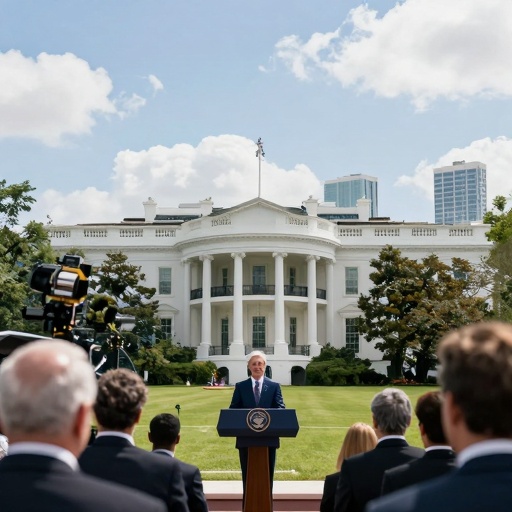
Republicans view these recent wins as an opportunity to divert conversation away from economic issues, which remain voters' top concern according to polls. In his Independence Day speech on the National Mall, Trump stated: 'You can be a communist or you can be a patriot; you cannot be both.' This narrative aligns with progressive positions that advocate expanding government programs and strengthening labor protections, stances that Republicans now characterize as evidence of adopting socialism.
Internal Division in the Democratic Party
Within the Democratic party, responses to these attacks are deeply divided. Matt Bennett, co-founder of the centrist organization Third Way, argues that primary voters should choose more moderate candidates to avoid giving Republicans an advantage. On the other hand, Joseph Geevarghese, chief executive of Our Revolution, suggests that the party must 'bet on' progressive rhetoric rather than distancing itself from its left wing. This tension reflects a broader debate about the identity of the party following Trump's return to power, as we reported in Trump Uses New Insults Against Democrats in Speech.
Historical Context and Reactions
Critics point out the irony of the accusations, given that the Trump administration has committed public funds to transform the federal government into a direct shareholder in private companies. Despite this, progressive Democrats have won important primaries by supporting reforms within a market economy. The anti-communist rhetoric recalls the Cold War and Senator Joseph McCarthy's hearings in the 1950s, a period during which Trump was politically formed under the tutelage of Roy Cohn.