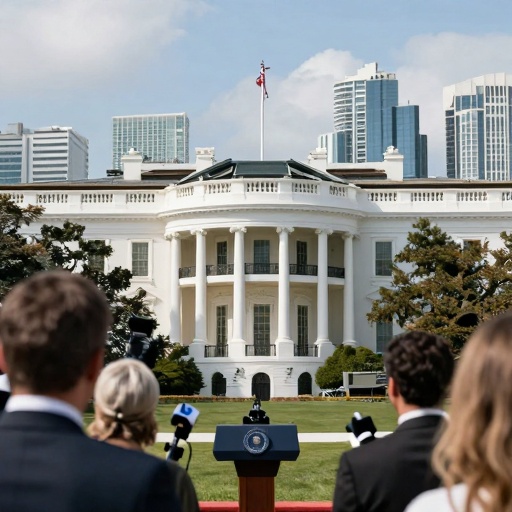
 Imagen generada con IA para Sociedad
Trump Claims Election Security Flaws Ahead of Midterms
President alleges shocking vulnerabilities and accuses China of meddling, challenging previous U.S. intelligence findings.
President Donald Trump has publicly alleged that the United States faces "shocking vulnerabilities" within its election infrastructure, raising concerns ahead of the upcoming midterm elections. In a recent statement, the president directly accused China of meddling in the 2020 presidential election. This assertion marks a significant departure from previous conclusions reached by U.S. intelligence agencies, which have historically provided different assessments regarding foreign interference in American electoral processes.
Challenging Previous Intelligence Findings
The president's latest comments directly contradict past findings issued by United States intelligence communities. For years, various federal agencies and security experts have analyzed threats to the integrity of U.S. elections. By explicitly naming China as a culprit for 2020 interference, Trump is challenging established narratives that may not have attributed such specific actions to Beijing in previous official reports.
This divergence between executive statements and intelligence community assessments highlights ongoing tensions regarding how election security threats are defined and communicated. The contradiction suggests a shift in the administration's public stance on foreign adversaries' roles in domestic political processes, potentially influencing how voters perceive the reliability of current electoral systems.
Focus on Midterm Election Security
The timing of these allegations is critical as the nation approaches midterm elections. The claim of "shocking vulnerabilities" implies that existing safeguards may be insufficient to protect against external interference or internal fraud. While specific technical details of these alleged flaws were not fully elaborated in the initial report, the language used suggests a broad concern about systemic weaknesses.
Election security has become a central topic in American political discourse. With midterms approaching, any public declaration regarding potential vulnerabilities can impact voter confidence and policy discussions surrounding voting machines, ballot counting procedures, and cybersecurity measures for state-level election offices, more context in Trump Claims US Elections Are Weaker Than Third.
Implications for Political Discourse
The accusation against China adds a geopolitical dimension to the domestic debate on election integrity. Historically, concerns about foreign interference have involved various nations, but singling out Beijing in this context aligns with broader U.S.-China tensions. This narrative may influence legislative priorities and funding allocations for cybersecurity initiatives aimed at protecting electoral infrastructure.
As the midterm elections draw nearer, these statements are likely to spark further debate among political analysts, election officials, and the public. The contrast between Trump's assertions and previous intelligence findings will remain a focal point for observers monitoring the intersection of national security, foreign policy, and domestic democratic processes in the United States.