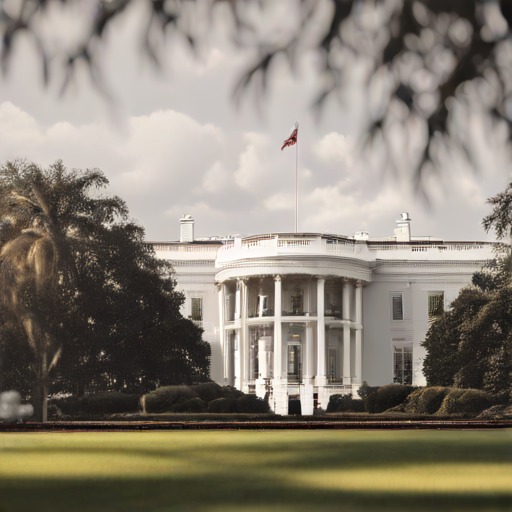
President Donald Trump has escalated his rhetoric against Democratic lawmakers, blaming them entirely for the growing chaos at airports across the country as the partial government shutdown continues to affect federal workers, including Transportation Security Administration (TSA) agents who have been working without pay.
In a series of statements, Trump declared that Democrats are "fully to blame" for the disruptions travelers have been experiencing and insisted they "must pay a big price" for the delays and long security lines that have become increasingly common at major airports nationwide.
Airport Disruptions Mount as Shutdown Drags On
The partial government shutdown, which began in late December over a dispute about funding for a border wall along the U.S.-Mexico border, has left hundreds of thousands of federal employees either furloughed or working without pay. Among those hardest hit are TSA agents, who are considered essential employees and must continue reporting to work despite not receiving paychecks.
As the shutdown stretched on, airports across the country began feeling the impact. Reports of increased TSA agent absences led to longer wait times at security checkpoints. Some airports, including Hartsfield-Jackson Atlanta International Airport — the busiest airport in the world — experienced significant disruptions, with certain security checkpoints temporarily closing due to staffing shortages.
For travelers flying in and out of Orlando International Airport (MCO), one of the busiest airports in the Southeast and a critical hub for Central Florida's tourism-driven economy, the situation has been a growing concern. Orlando's airport handles tens of millions of passengers annually, many of them visiting Walt Disney World, Universal Orlando Resort, and other area attractions. Any prolonged disruptions at MCO could have ripple effects throughout the region's hospitality and theme park industries.
Trump Points the Finger at Democrats
Rather than signaling any willingness to compromise, Trump doubled down on his position that Democrats bear full responsibility for the shutdown and its consequences. The president has demanded $5.7 billion in funding for a wall along the southern border, a proposal that Democratic leaders, including House Speaker Nancy Pelosi and Senate Minority Leader Chuck Schumer, have flatly rejected.
Trump's assertion that Democrats are "fully to blame" drew sharp criticism from opposition lawmakers, who have pointed out that the president himself said he would be "proud" to shut down the government over border wall funding during a widely televised meeting with Pelosi and Schumer prior to the shutdown.
"This is the Trump shutdown. He said so himself, on camera, in the Oval Office," Democratic leaders have repeatedly emphasized in their public responses.
Democrats have passed several bills in the House to reopen the government without wall funding, but Senate Majority Leader Mitch McConnell has refused to bring them to a vote, saying he would only consider legislation the president would sign.
Central Florida Feels the Pressure
For Central Florida residents and businesses, the shutdown's effects extend well beyond airport inconveniences. Federal workers across Orange, Osceola, and Seminole counties — including employees of agencies like the IRS, the Department of Agriculture, and the National Park Service — have been going without paychecks, as we reported in Trump Targets Orlando Democrats as 'Jihadists' in New Midterm Attack Strategy.
Local organizations and food banks in the Orlando area reported increases in requests for assistance from federal workers struggling to make ends meet. Several Central Florida restaurants and businesses offered free or discounted meals to furloughed employees during the shutdown period, reflecting the community's response to the growing crisis.
The tourism industry, which is the lifeblood of the Orlando and Kissimmee economies, faced particular uncertainty. While theme parks continued operating normally, any sustained disruption at Orlando International Airport could discourage visitors from booking trips to the region, potentially costing local businesses millions in lost revenue.
No End in Sight as Both Sides Dig In
As of Trump's latest statements, there appeared to be no clear path to resolving the shutdown. The president has floated the possibility of declaring a national emergency to secure border wall funding without congressional approval, a move that would almost certainly face immediate legal challenges.
Meanwhile, polls at the time showed that a majority of Americans blamed Trump and Republicans for the shutdown rather than Democrats, though opinions largely fell along partisan lines. The president's strategy of shifting blame to Democrats appeared aimed at changing that narrative as public frustration mounted.
For Orlando-area residents, the political standoff in Washington carried very real local consequences. From federal workers in Sanford and Winter Park missing mortgage payments to longer lines at MCO affecting tourism, the shutdown served as a stark reminder of how decisions made hundreds of miles away in the nation's capital can directly impact life along the I-4 corridor.
Community leaders across Central Florida urged both parties to reach a compromise quickly, emphasizing that the region's economy — and the livelihoods of thousands of local federal employees — hung in the balance.