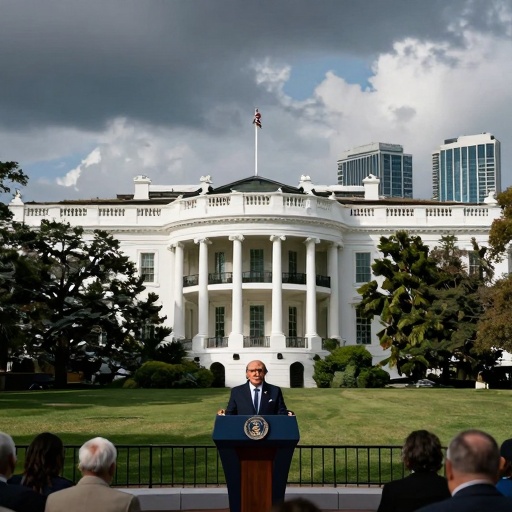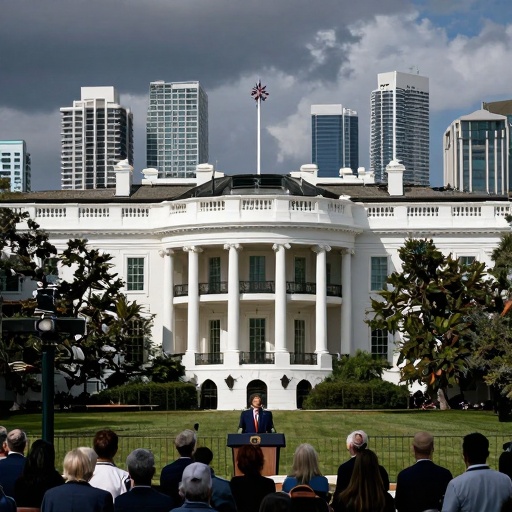
President Donald Trump’s approval ratings have fallen to a second-term low, according to the latest New York Times/Siena poll released as midterm elections approach. The data indicates that voters are increasingly questioning his handling of the U.S. economy and broader geopolitical strategies. This decline in public support comes at a critical juncture for the Republican Party, potentially complicating efforts to maintain control or gain ground in upcoming congressional races.
Economic Concerns Drive Voter Dissatisfaction
The poll highlights economic anxiety as a primary driver of declining approval numbers. As inflation and cost-of-living pressures continue to impact households across the nation, many voters are re-evaluating their support for current administration policies. The disconnect between official economic indicators and the lived experience of everyday Americans appears to be widening, creating headwinds for Republican candidates seeking voter backing.
Historically, midterm elections serve as a referendum on the sitting president’s performance. With the economy remaining a top concern for swing voters, the Trump administration faces significant challenges in articulating a compelling narrative that resonates with independent and moderate Democrats who may be deciding whether to participate in the upcoming vote.
Foreign Policy and War Efforts Under Scrutiny
Beyond domestic economic issues, the poll suggests growing skepticism regarding the administration’s approach to international conflicts. The reference to an "unpopular war" points to a broader fatigue among the electorate concerning military engagements abroad. Voters are increasingly demanding clarity on strategic objectives and the long-term costs of ongoing operations.
This scrutiny is particularly relevant in Central Florida, where communities have deep ties to military service members stationed at bases such as MacDill Air Force Base near Tampa and Eglin Air Force Base further west. Local constituents often weigh national security decisions heavily when casting their ballots, making the administration’s foreign policy record a pivotal factor in regional political dynamics.
Implications for GOP Midterm Prospects
The sinking approval ratings cast a shadow over Republican prospects heading into the midterms. Party strategists are now tasked with mitigating these headwinds by focusing on local issues and economic successes that may not be fully captured in national polling averages. However, the trend lines suggest a difficult path for GOP candidates who must defend their seats against an increasingly skeptical electorate.
As the election cycle intensifies, both parties will likely ramp up messaging efforts to mobilize their bases while attempting to sway undecided voters. The current political climate requires careful navigation of complex economic and geopolitical narratives. For now, the data from the New York Times/Siena poll serves as a stark reminder that public sentiment remains fluid and highly responsive to perceived failures in governance.