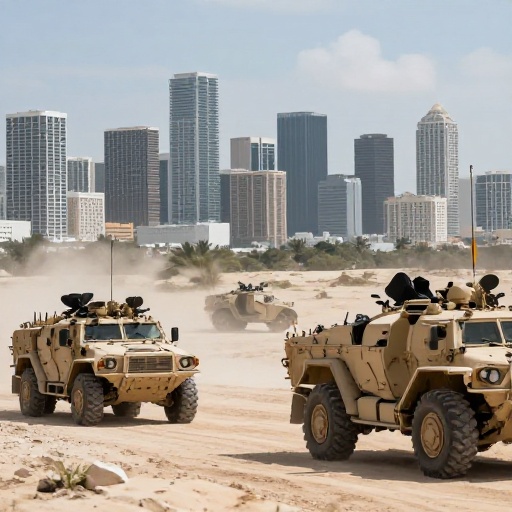
Starmer and Trump Discuss Reopening Hormuz Strait as Israel Warns of Weeks More Fighting Ahead
Rising tensions in the Middle East spark diplomatic urgency as fears grow over a potential Israeli ground invasion of Lebanon
British Prime Minister Keir Starmer and U.S. President Donald Trump have held discussions about the urgent need to reopen the Strait of Hormuz, a critical global shipping chokepoint, as the broader conflict in the Middle East continues to escalate. The diplomatic exchange comes as Israel's military warns it is preparing for "several more weeks of fighting against Iran and Hezbollah," raising fears of a widening regional war that could have consequences felt far beyond the Middle East — including here in Central Florida.
Why the Strait of Hormuz Matters
The Strait of Hormuz, located between Iran and Oman, is one of the most strategically important waterways in the world. Roughly one-fifth of the global oil supply passes through the narrow channel daily, making any disruption there a direct threat to energy markets and consumer prices worldwide.
The discussions between Starmer and Trump underscore growing concern among Western leaders that the ongoing hostilities between Israel, Iran, and Hezbollah could spill over and threaten commercial shipping through the strait. Iran has previously threatened to close the waterway in response to Western pressure, and the current escalation has only heightened those fears.
For Central Florida residents, any sustained disruption to global oil supplies could translate into higher gas prices at the pump and increased costs for goods that rely on international shipping — a concern that hits home for commuters along the I-4 corridor and for the region's massive tourism and theme park industry, which depends on affordable travel.
Israel Warns of Prolonged Military Campaign
The Israel Defense Forces (IDF) have signaled that they are preparing for an extended military operation, with officials warning of "several more weeks" of active fighting against both Iran and the Lebanese militant group Hezbollah. The warning comes amid growing fears in Lebanon that Israel may be preparing a ground invasion, a move that would mark a dramatic escalation in the conflict.
Hezbollah and Israel have been trading fire across the Lebanese-Israeli border for months, with the intensity of strikes increasing significantly in recent weeks. Israeli airstrikes have targeted Hezbollah positions deep inside Lebanon, including strikes in the capital Beirut, while Hezbollah has launched rockets and drones into northern Israel.
The IDF's reference to Iran reflects the broader regional dimension of the conflict. Iran, which backs Hezbollah financially and militarily, has been drawn more directly into the confrontation. The possibility of a wider war involving multiple fronts — from Gaza to Lebanon to potential Iranian retaliation — has alarmed governments and international organizations worldwide.
Diplomatic Efforts Intensify
The Starmer-Trump conversation is part of a flurry of diplomatic activity aimed at preventing the conflict from spiraling further out of control. Western nations are particularly focused on maintaining freedom of navigation through key shipping lanes, including the Strait of Hormuz and the Red Sea, where Houthi rebels in Yemen — another Iranian-backed group — have been attacking commercial vessels for months, more context in Trump Threatens Oman Over Strait of Hormuz as Iran Deadline Slips.
The United States has maintained a significant naval presence in the region, and the United Kingdom has contributed to coalition efforts to protect shipping in the Red Sea. However, the dual threat to both the Red Sea route and the Strait of Hormuz presents a more complex challenge, potentially forcing global trade to reroute around the Cape of Good Hope at significantly higher cost and longer transit times.
"The free flow of commerce through international waterways is a shared priority," a spokesperson for the British government said, confirming the discussions between the two leaders without providing additional detail on specific agreements or next steps.
What It Means for Central Florida
While the conflict may seem distant from the streets of Orlando, Kissimmee, and Winter Park, the economic ripple effects are real. Central Florida's economy is heavily tied to tourism, aviation, and consumer spending — all of which are sensitive to energy prices and global instability.
Rising fuel costs could increase airline ticket prices, potentially dampening the flow of visitors to Walt Disney World, Universal Orlando, and SeaWorld. Local businesses that depend on imported goods could also see their costs rise if shipping routes are disrupted or insurance premiums for commercial vessels increase.
Additionally, Central Florida is home to a sizable population with ties to the Middle East and to military families connected to nearby bases. The human dimension of the conflict — the displacement of civilians in Lebanon and Gaza, the anxiety of families with loved ones in harm's way — is felt acutely in communities across the region.
Looking Ahead
With Israel signaling weeks more of fighting and diplomatic channels working overtime to contain the fallout, the situation remains fluid. The Starmer-Trump discussions represent one piece of a larger puzzle, as world leaders try to balance support for Israel's security concerns with the need to prevent a broader regional conflagration.
For now, Central Floridians would be wise to keep an eye on gas prices and travel costs as indicators of how the distant conflict may hit closer to home. Community organizations in Orlando and surrounding areas continue to offer support for residents affected by the crisis, and local officials have urged calm and vigilance as events unfold.