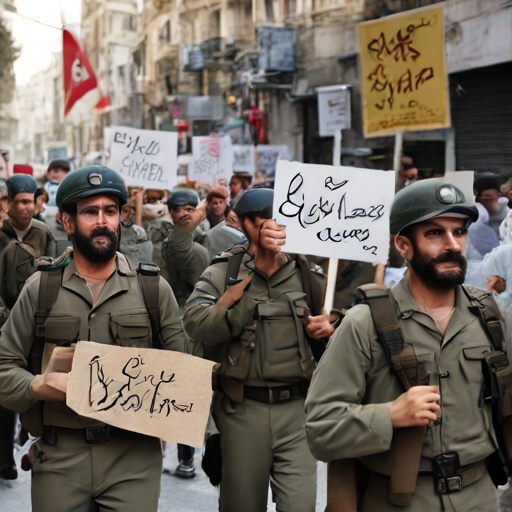
 Imagen generada con IA para Sociedad
Ex-Olympics Security Chief Warns of Iranian Threats Ahead of World Cup
Former security director for 1984 LA and 1996 Atlanta Games raises alarms about potential sleeper cell plots targeting the upcoming FIFA World Cup.
A former security director for the 1984 Los Angeles Olympics and the 1996 Atlanta Games has issued a stark warning regarding potential threats to the upcoming FIFA World Cup. The individual, who oversaw security operations during two major global sporting events, suggests that Iranian "sleeper cells" may be actively plotting attacks during the tournament. This alert comes as global attention turns toward the logistical and safety challenges of hosting such a massive international event.
Historical Context of Security Concerns
The warning carries significant weight given the source's background. The 1996 Atlanta Olympics are remembered for the Centennial Park bombing, an act of terrorism that killed two people and wounded more than 100 others. This tragic event remains one of the most significant security failures in Olympic history. The former director’s experience with such high-profile vulnerabilities provides a critical lens through which to view current intelligence reports regarding state-sponsored threats.
Understanding the "Sleeper Cell" Threat
"Sleeper cells" refer to covert groups of operatives who remain inactive or hidden within a target society for extended periods, awaiting specific instructions to carry out attacks. The concern is that these groups could be embedded in host nations, making them difficult to detect through traditional surveillance methods. For the World Cup, which involves millions of fans traveling across multiple cities, identifying and neutralizing these hidden threats presents a complex security challenge for host country authorities.
Implications for the Upcoming Tournament
While specific details about the nature or location of the potential plots remain undisclosed, the warning highlights the need for heightened vigilance among security agencies worldwide. The World Cup is not just a sporting event but a gathering of millions, making it an attractive target for ideological or political statements. Security protocols for the tournament will likely be scrutinized heavily, with a focus on counter-terrorism measures that have evolved since the 1996 Atlanta incident, as this newspaper reported in Iran Warns of Military Escalation Amid Economic Pressure.
Global Response and Preparedness
International security agencies are expected to collaborate closely to mitigate these risks. The warning serves as a reminder that despite advancements in technology and intelligence sharing, the threat of asymmetric warfare and terrorism remains a persistent concern for large-scale public gatherings. Authorities are urged to remain alert, though no specific imminent threat has been confirmed for any particular location at this time.